
AI vs Human Proctoring
Should exams be monitored by artificial intelligence or by human proctors?As education and professional certification move increasingly online, institutions face this important decision.Both AI-based ...
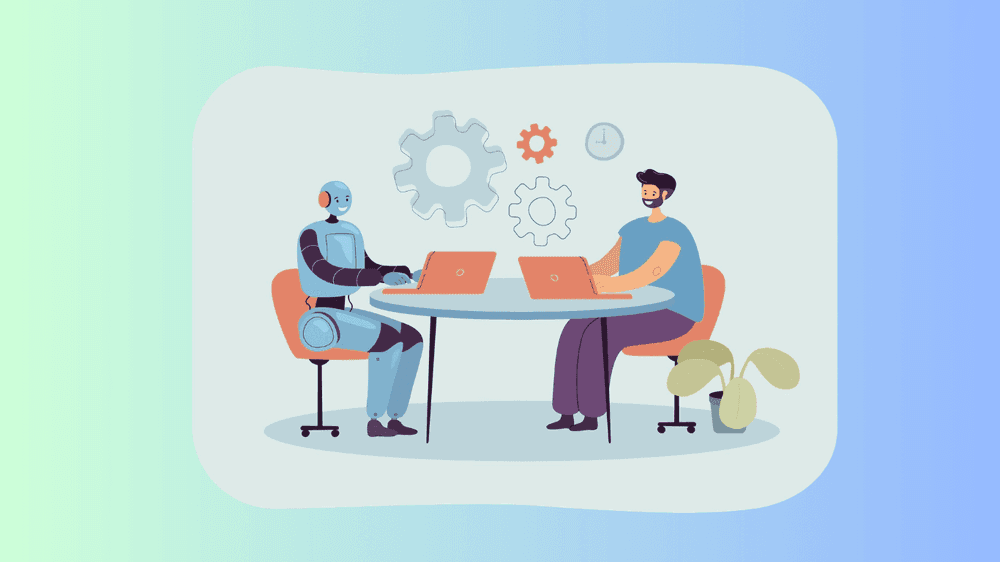
Should exams be monitored by artificial intelligence or by human proctors?
As education and professional certification move increasingly online, institutions face this important decision.
Both AI-based and human proctoring models aim to protect academic integrity. However, they differ significantly in scalability, cost, speed, and student experience. Choosing the right model depends on your institution’s needs, risk level, and operational priorities.
This guide breaks down the differences between AI proctoring and human proctoring, including strengths, limitations, and when each approach makes sense.
Why Proctoring Matters in Online Assessment
Whether for university admissions, placement testing, certification exams, or corporate training, assessment credibility depends on fairness.
Without supervision, online exams may be vulnerable to:
- identity fraud
- unauthorized assistance
- use of external devices
- answer sharing
- collaboration during testing
Proctoring, whether human or AI-based, exists to maintain trust in results.
What Is Human Proctoring?
Human proctoring involves a live person monitoring students during an exam, usually via webcam. The proctor may:
- verify identity
- observe student behavior in real time
- intervene if suspicious activity occurs
- provide instructions
- document irregularities
This model closely resembles traditional in-person invigilation, but delivered virtually.
Advantages of Human Proctoring
1. Real-Time Judgment
Human proctors can interpret context. For example, they can distinguish between normal behavior (e.g., looking away briefly) and suspicious actions.
2. Immediate Intervention
If misconduct occurs, the proctor can pause or terminate the session immediately.
3. Higher Trust for High-Stakes Exams
For certifications, final exams, or regulated assessments, live proctoring may provide additional reassurance.
Limitations of Human Proctoring
1. Cost
Live supervision requires staffing. For large-scale exams, costs increase significantly.
2. Scalability
Monitoring thousands of candidates simultaneously is operationally complex.
3. Scheduling Constraints
Live proctors must be available during testing windows, which may limit flexibility across time zones.
4. Inconsistency
Human interpretation may vary between proctors.
What Is AI Proctoring?
AI-based proctoring uses automated systems to monitor exam sessions. These systems may:
- track eye movement and head position
- detect unusual background noise
- monitor screen activity
- flag tab switching
- record session behavior for review
AI systems generate flags based on predefined patterns, which administrators can later review.
Advantages of AI Proctoring
1. Scalability
AI systems can monitor large numbers of candidates simultaneously without additional staffing.
2. Cost Efficiency
Once implemented, AI proctoring reduces the need for continuous human supervision.
3. Flexible Scheduling
Candidates can test at different times without requiring a live proctor to be present.
4. Standardized Monitoring
AI applies consistent rules across all candidates.
Limitations of AI Proctoring
1. False Positives
AI systems may flag normal behavior (e.g., lighting changes, background movement).
2. Limited Context Awareness
Unlike humans, AI cannot always interpret nuanced situations.
3. Privacy Concerns
Students may be uncomfortable with automated monitoring unless policies are transparent.
4. Technical Dependency
Stable internet and device compatibility are critical.
AI vs Human Proctoring: Side-by-Side Comparison
| Feature | AI Proctoring | Human Proctoring |
|---|---|---|
| Scalability | High | Moderate |
| Cost | Lower long-term | Higher per session |
| Real-Time Intervention | Limited (alerts) | Immediate |
| Consistency | Standardized | Variable |
| Context Awareness | Limited | Strong |
| Scheduling Flexibility | High | Moderate |
| Best For | Placement, mid-stakes exams | High-stakes certifications |
Which Is Better for Placement Testing?
For English placement tests and admissions screening, many institutions prefer AI-based proctoring or hybrid models because:
- placement is important, but not always high-stakes certification
- speed and scalability matter
- global applicants need flexible scheduling
- large cohorts require efficiency
However, for high-stakes final exams or regulatory assessments, live proctoring may provide additional assurance.
The Hybrid Model: The Best of Both Worlds
Many modern institutions now use a hybrid approach, combining:
- AI-based monitoring for scalability
- human review for flagged sessions
- configurable integrity levels depending on exam type
This model balances cost, fairness, and reliability.
How EduSynch Approaches Proctoring
EduSynch integrates flexible proctoring options within its CEFR-aligned assessment platform, allowing institutions to choose the appropriate level of monitoring based on exam stakes.
EduSynch offers:
- secure browser environments
- AI-based activity tracking
- session logging and reporting
- optional enhanced monitoring settings
- scalable global testing delivery
Rather than forcing a one-size-fits-all solution, EduSynch enables institutions to align proctoring intensity with assessment purpose, whether for placement, admissions, or corporate training.
This flexibility ensures:
- exam integrity
- operational efficiency
- student-friendly experience
- compliance with institutional standards
Security and Fairness Considerations
When choosing between AI and human proctoring, institutions should consider:
- data privacy policies
- transparency with candidates
- accessibility accommodations
- bias mitigation strategies
- audit trail documentation
A strong proctoring solution must balance security with fairness and user experience.
There is no universal answer to the AI vs human proctoring debate. Each model serves different needs.
- Human proctoring offers contextual judgment and real-time oversight for high-stakes exams.
- AI proctoring offers scalability, cost-efficiency, and flexibility for large-scale digital assessment.
- Hybrid solutions increasingly provide the most balanced approach.
For modern institutions delivering global assessments, the key is not choosing one over the other, but selecting the right model for the right purpose.
Ready to Modernize Your Online Proctoring?
If your institution is evaluating secure, scalable proctoring solutions for placement or certification exams, EduSynch can help.
If your institution needs a scalable, CEFR-aligned placement or assessment solution with built-in online proctoring, EduSynch is ready to help.
Or contact us directly at contact@edusynch.com